
Biden administration has ignored Pakistan’s outreach for rapprochement: Report
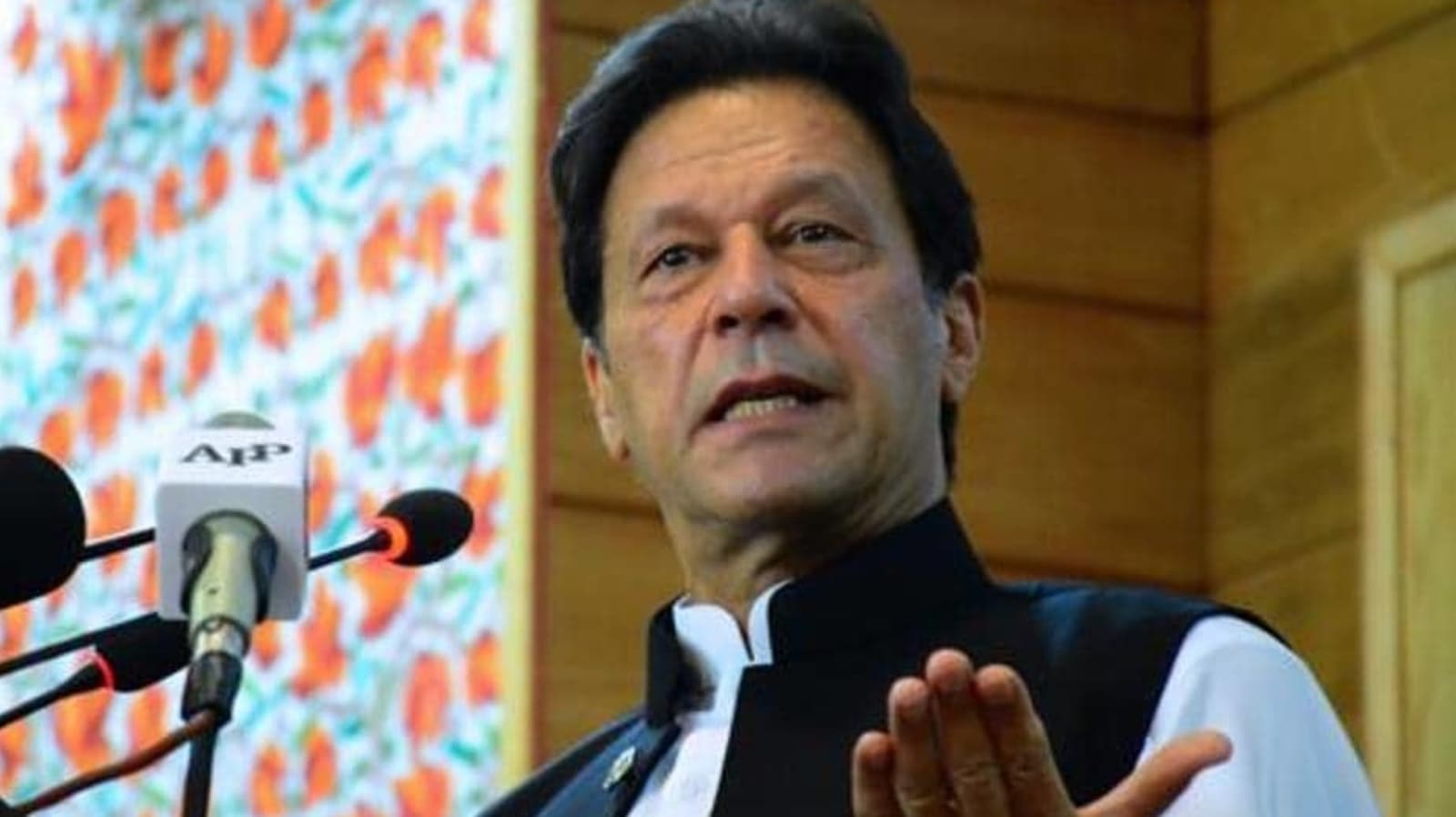

The United States has ignored Pakistan’s hopeful outreach for rapprochement, despite the critical role Islamabad played in persuading the Taliban to negotiate with Washington in Afghan peace settlement.
Despite that crucial initiative, one that aims to end America’s so-called “endless war”, US President Joe Biden has not personally spoken to Prime Minister Imran Khan since the former assumed power, citing Pakistani officials familiar with the situation, reported Asia Times.
They said when Biden assumed the US presidency in January, many in Pakistan hoped for a bilateral reset. “Three months on, there is no such rapprochement in sight as the Biden administration in Washington delivers perceived snubs rather than engaged olive branches to Islamabad.”
Officials says the reason behind this is likely that Washington thinks Islamabad is pushing China and Russia’s agendas at the expense of US interests in Afghanistan. “Washington also knows Pakistan is well-placed to manipulate the formation of a future Afghan government by dint of its proximity and connection to the Taliban.”
Also, some in Islamabad believe that Washington is expressing that displeasure through “not-so-veiled diplomatic sleights”. For instance, Biden’s Special Envoy for Climate Change, John Kerry, visited India and Bangladesh last month but eschewed a stopover in Pakistan, reported Asia Times.
Similarly, US Secretary of Defense Lloyd Austin visited India and Afghanistan on March but opted not to land in Pakistan.
Pakistani officials quoted in news reports think that the Supreme Court’s acquittal of Ahmed Omar Saeed Sheikh and three associates who allegedly kidnapped and decapitated Wall Street Journal bureau chief Daniel Pearl back in 2002 put relations with Biden on the wrong foot.
The court released Sheikh just as Biden was taking his oath of his office in January. Washington has reportedly asked Islamabad to review its legal options after the ruling and has also suggested allowing for the US to prosecute the suspects to provide justice to Pearl’s family if for political reasons it is unable to do so in Pakistan.
Moreover, the new US administration likely wants Islamabad to demonstrate it is not a pliant proxy of China. That’s easier said than done in light of Beijing’s USD 60 billion commitment to the China-Pakistan Economic Corridor.
Further, Biden did not invite Khan to his government’s first virtual summit on climate change held on April 22-23. The US president invited 40 heads of state and government, including leaders of India, Bangladesh and Bhutan from the South Asian region, but sent a belated invitation to a low-profile functionary who serves as Khan’s special assistant on climate change.
While China’s economic influence looms large, Pakistan still needs Washington’s support, both to sustain disbursements of its USD 6 billion bailout package from the International Monetary Fund (IMF) and to be removed from the terror-financing and money-laundering watchdog Financial Action Task Force’s “grey list”, a designation that hinders Islamabad’s participation in global financial markets.
Similarly, the FATF kept Pakistan on its grey list in February because “Pakistan must improve its investigations and prosecutions of all groups and entities financing terrorists and their associates and show that penalties imposed by courts are effective.”
The next FATF plenary review of Pakistan’s status is due in June this year.
동현 배(Dong-hyun Bae)는 UlsanFocus.com의 필진으로, 지역 및 국내 주요 뉴스는 물론 정치, 경제, 기술, 스포츠, 문화·연예, 라이프스타일 등 다양한 분야를 다루고 있습니다. 독자들이 이해하기 쉬운 명확한 보도와 신뢰할 수 있는 정보 전달을 중요하게 생각하며, 시의성 있는 이슈와 일상에 도움이 되는 소식을 균형 있게 전합니다. 독자와 지역사회를 연결하는 의미 있는 이야기를 꾸준히 전달하는 데 집중하고 있습니다.