
US Supreme Court rules for cheerleader punished for vulgar Snapchat message
Written by Adam Liptak
The Supreme Court on Wednesday ruled that a Pennsylvania school district had violated the First Amendment by punishing a student for a vulgar social-media message sent away from school grounds.
The vote was 8-1, with Justice Clarence Thomas dissenting.
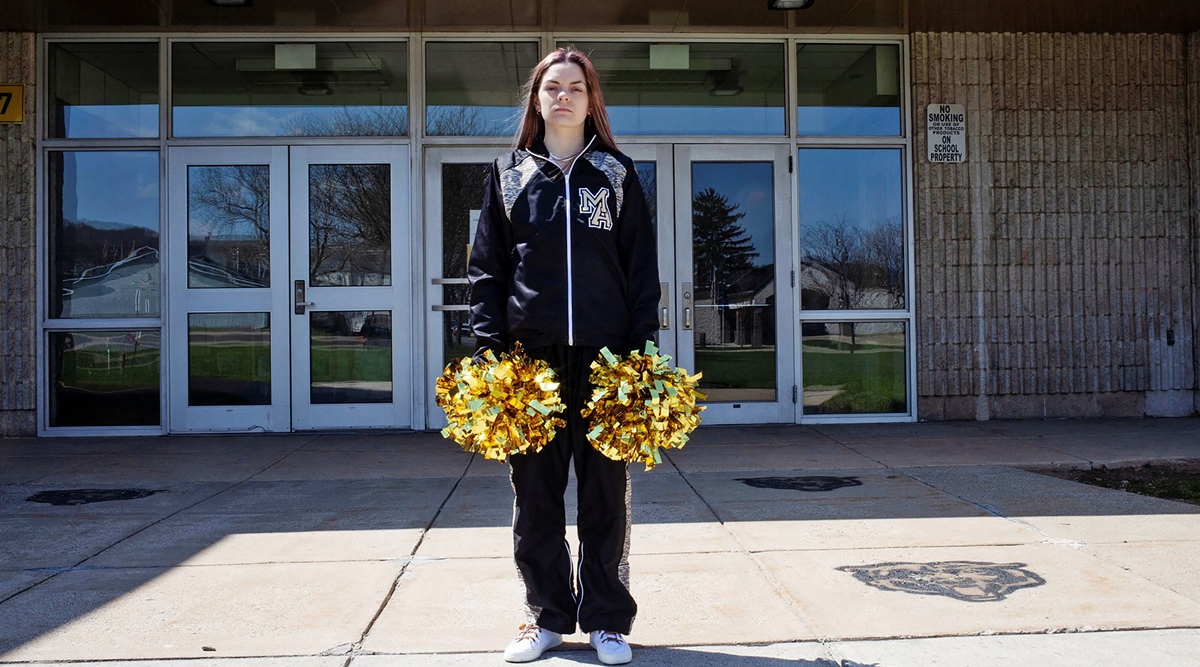
The case concerned Brandi Levy, a Pennsylvania high school student who had expressed her dismay over not making the varsity cheerleading squad by sending a colourful Snapchat message to about 250 people.
She sent the message on a Saturday from Cocoa Hut, a convenience store popular with teenagers. It included an image of Levy and a friend with their middle fingers raised, along with a string of words expressing the same sentiment. Using a swear word four times, Levy objected to “school,” “softball,” “cheer” and “everything.”
Although Snapchat messages are meant to vanish not long after they are sent, another student took a screenshot and showed it to her mother, a coach. The school suspended Levy from cheerleading for a year, saying the punishment was needed to “avoid chaos” and maintain a “teamlike environment.”
Levy sued the school district, winning a sweeping victory from a divided three-judge panel of the 3rd U.S. Circuit Court of Appeals, in Philadelphia. The court said the First Amendment did not allow public schools to punish students for speech outside school grounds, relying on a precedent from a different era.
In 1969, in Tinker v. Des Moines Independent Community School District, the Supreme Court allowed students to wear black armbands to protest the Vietnam War, saying the students had not “shed their constitutional rights to freedom of speech or expression at the schoolhouse gate.” But disruptive speech, at least on school grounds, could be punished, the court added.
Although the 3rd Circuit was united in ruling for Levy, the judges disagreed about the rationale. The majority announced a categorical rule barring discipline for off-campus speech that seemed to limit the ability of public schools to address many kinds of disturbing communications by students on social media, including racist threats and cyberbullying.
In a concurring opinion, Judge Thomas Ambro wrote that he would have ruled for Levy on narrower grounds. It would have been enough, he said, to say that her speech was protected by the First Amendment because it did not disrupt school activities. The majority was wrong, he said, to protect all off-campus speech.
The Supreme Court has limited students’ First Amendment rights since the Tinker decision in 1969. In the court’s last major decision on students’ free speech, in 2007, for instance, the court sided with a principal who had suspended a student for displaying a banner that said “Bong Hits 4 Jesus.”
동현 배(Dong-hyun Bae)는 UlsanFocus.com의 필진으로, 지역 및 국내 주요 뉴스는 물론 정치, 경제, 기술, 스포츠, 문화·연예, 라이프스타일 등 다양한 분야를 다루고 있습니다. 독자들이 이해하기 쉬운 명확한 보도와 신뢰할 수 있는 정보 전달을 중요하게 생각하며, 시의성 있는 이슈와 일상에 도움이 되는 소식을 균형 있게 전합니다. 독자와 지역사회를 연결하는 의미 있는 이야기를 꾸준히 전달하는 데 집중하고 있습니다.