
‘Mostly totalitarian’ — South Asian activists red-flag ‘floundering democracy’ in region
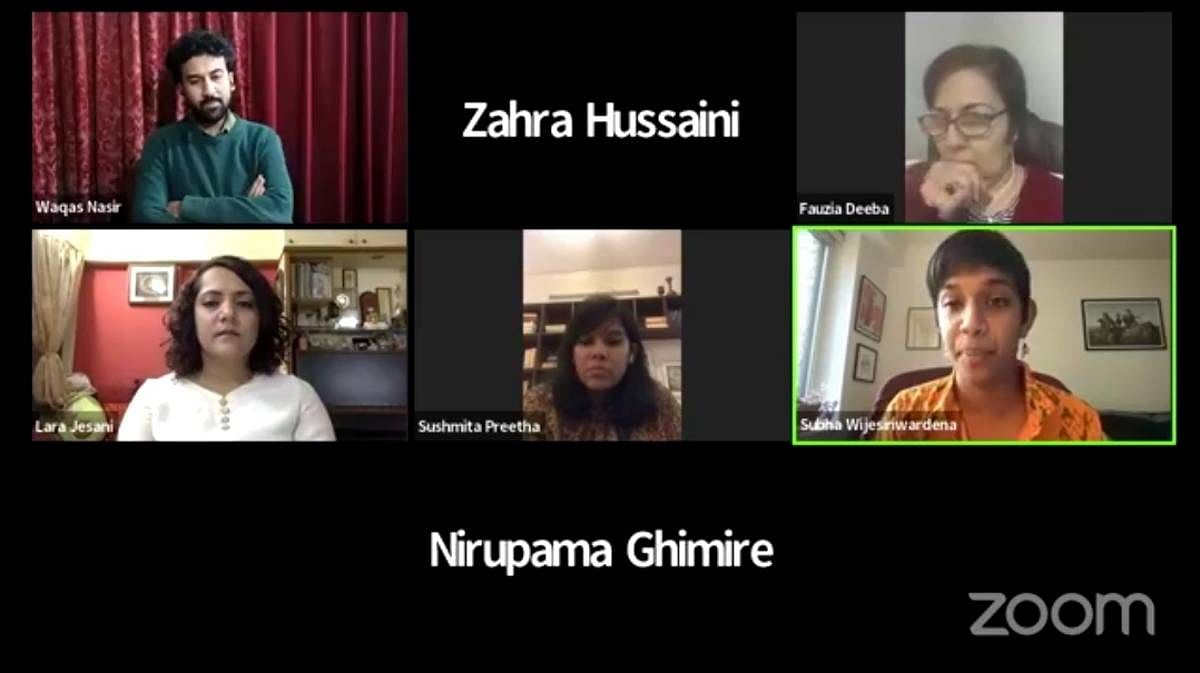
New Delhi: Activists from across South Asia expressed concern about what they described as the deteriorating human rights situation in the region during an event organised by the South Asia Peace Action Network (SAPAN).
SAPAN is a coalition of peace activists and organisations working towards freedom of trade, travel and tourism in the region, people-to-people contact especially between India and Pakistan, and for soft borders or visa on arrival within South Asia.
The online session titled “Human Rights and Equality in South Asia: Growing up, Growing together”, called on governments in the region to ensure establishment and strengthening of national human rights institutions and to support the development of a dedicated regional human rights institution.
Speakers from across South Asia — including India, Afghanistan, Bangladesh, Nepal, Pakistan and Sri Lanka — participated in the conclave. The event on 26 December was the ninth in SAPAN’s series of monthly webinars “Imagine! Neighbours in Peace” and commemorated Human Rights Day — observed annually on 10 December — 36 years of SAARC, as well as 50 years of Bangladesh’s independence.
The participants also endorsed SAPAN’s declaration on human rights.
In her opening remarks at the conclave, Dhaka-based feminist and rights activist Khushi Kabir said, “Our nations are mostly totalitarian or on the verge of becoming totalitarian.” Where democracy exists, she said, “it is floundering… Religion is being used as a tool for creating ‘the other’”.
Also read: Border disputes? Let’s make boundaries irrelevant without changing them: Shivshankar Menon
Tales of repression and dissent
Speaking along similar lines, Mumbai-based lawyer Lara Jesani talked about “repressive draconian laws” and shrinking democratic spaces in India.
She gave the example of the Bhima Koregaon case and the arrest of activists such as Sudha Bharadwaj, academic and poet Varavara Rao and Father Stan Swamy, 84, who died in prison in July this year.
“Even registering our dissent has become extremely difficult. And this has obviously also led to the silencing of those who believe in India’s democratic values. It has had a chilling effect, especially on the youth,” said Jesani.
The lawyer also highlighted events like the Shaheen Bagh protest against the Citizenship Amendment Act and the farmers’ protests against three controversial farm laws (which have since been repealed) and said that “these powerful examples underscore the potential for change”.
Afghan activist Zahra Hussaini from Bamiyan province talked about the human rights situation in Afghanistan, particularly in relation to women, children, and journalists, in light of the Taliban takeover. The speaker said she knows of at least 32 journalists who have been picked up or imprisoned — “we don’t even know what is happening with them”, she added.
Dhaka-based journalist Sushmita Preetha said while her country celebrates 50 years of independence this year and “has made tremendous strides” during this time, behind the success story lies unequal wealth distribution and “tragic but unavoidable tale of poverty, unemployment, corruption, and curtailment of basic human rights”.
Sri Lanka’s Subha Wijesiriwardena, Lahore-based historian and activist Ammar Ali Jan, and Nepal-based Nirupama Ghimire also spoke at the event.
(Edited by Poulomi Banerjee)
Also read: The people of Afghanistan are not fleeing from the Taliban. They are fleeing from Sharia law
s.parentNode.insertBefore(t,s)}(window,document,'script',
'https://connect.facebook.net/en_US/fbevents.js');
fbq('init', '1985006141711121');
fbq('track', 'PageView');
동현 배(Dong-hyun Bae)는 UlsanFocus.com의 필진으로, 지역 및 국내 주요 뉴스는 물론 정치, 경제, 기술, 스포츠, 문화·연예, 라이프스타일 등 다양한 분야를 다루고 있습니다. 독자들이 이해하기 쉬운 명확한 보도와 신뢰할 수 있는 정보 전달을 중요하게 생각하며, 시의성 있는 이슈와 일상에 도움이 되는 소식을 균형 있게 전합니다. 독자와 지역사회를 연결하는 의미 있는 이야기를 꾸준히 전달하는 데 집중하고 있습니다.